If your child is preparing for PSLE Science 2026, you may already feel a little uncertain about what has changed and how to prepare them properly. Many parents in Singapore are asking the same question: Is the new exam format harder, and what should my child focus on?
The PSLE science 2026 format reflects changes in how science is taught in Singapore. The Ministry of Education has shifted the focus from memorising facts to applying scientific ideas to real situations.
This guide explains the key changes in the PSLE science syllabus 2026, the important topics students must understand, and practical ways parents can help their children prepare confidently. If you have a Primary 4, 5, or 6 child, understanding these changes early can make preparation much smoother.

What Has Changed in the PSLE Science 2026 Syllabus?
The PSLE science 2026 exam reflects adjustments to the syllabus introduced by Singapore’s Ministry of Education. These updates aim to develop stronger scientific thinking rather than simple memorization.
One of the most noticeable changes is the exam structure. Booklet A now contains more multiple-choice questions, while Booklet B has fewer structured questions. Although there are fewer open-ended questions, they often require deeper explanation and reasoning.
Another syllabus change affects Primary 5 topics. The Cells topic has been removed from the Primary Science curriculum. This reduces the content load slightly but also means students must master the remaining topics more thoroughly.
There is also a stronger focus on science process skills. Students are expected to interpret data, identify variables in experiments, and explain scientific observations clearly.
The way certain concepts are described has also been adjusted. For example, forces and interactions are now explained using clearer cause-and-effect language, helping students apply the concept to everyday situations.
Overall, the updated PSLE science syllabus 2026 encourages students to understand how science works rather than memorise definitions.
The 5 Core Themes of PSLE Science 2026
This theme focuses on classification of living and non-living things. Students learn how organisms are grouped based on characteristics. Many children struggle because they memorise categories but forget the reasoning behind them.
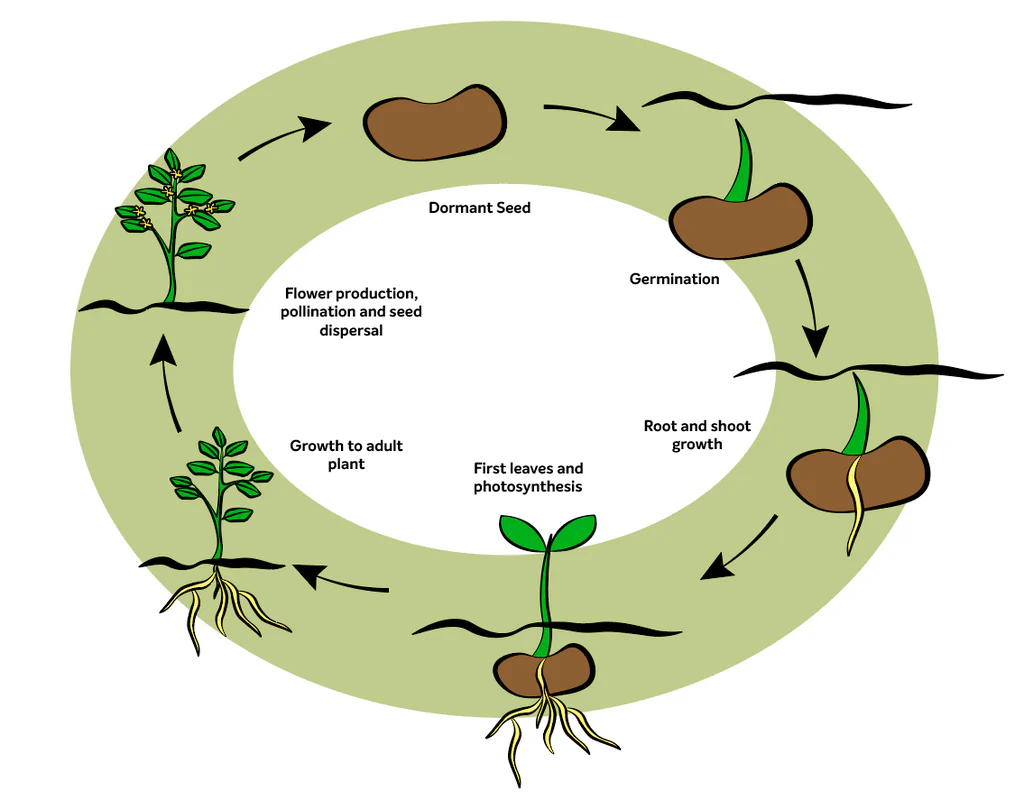
Cycles include topics such as life cycles of plants and animals and the water cycle. Questions often test understanding of processes and sequences rather than simple recall.
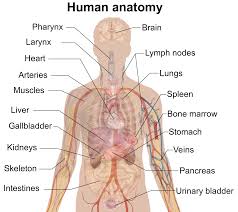
Systems include body systems, plant transport systems, and electrical systems. Students must understand how different parts work together within a system.
This theme covers forces, magnets, and relationships between organisms in ecosystems. Many mistakes happen when students cannot explain how one factor affects another.
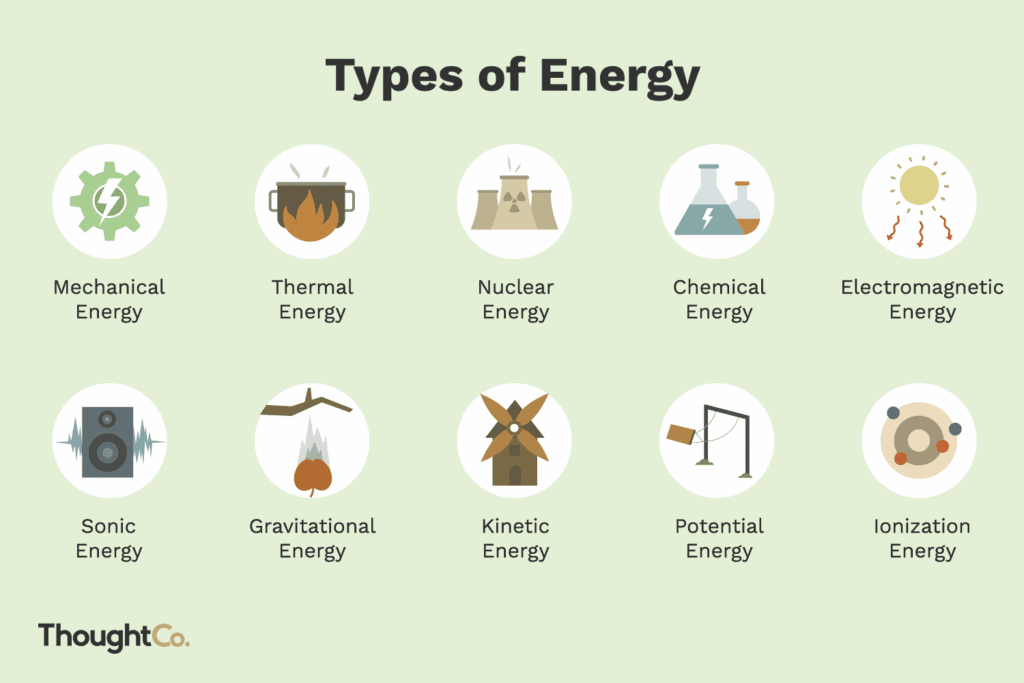
Energy topics include heat, light, and electricity. Students need to apply energy concepts to practical situations, which is where many marks are lost.
Why Skills Matter More Than Memorization in 2026

The direction of PSLE science 2026 assessment clearly favours thinking skills. Students are increasingly tested on their ability to apply concepts rather than repeat definitions.
Booklet B questions often require students to analyse diagrams, interpret data tables, or explain scientific outcomes. Simply memorising the textbook is rarely enough.
A common answering framework taught by experienced tutors is state, explain, and support with evidence. This structure helps students present clear scientific reasoning.
Because of this shift, effective preparation now focuses on answering technique. Students need practice with real PSLE-style questions so they can explain their thinking clearly and avoid common mistakes.
How to Help Your Child Prepare for PSLE Science 2026
Parents play an important role in helping their children prepare confidently for the PSLE science 2026 examination. A few simple strategies can make preparation more effective.

1. Focus on understanding, not memorization
Encourage your child to explain scientific ideas in their own words. If they can teach the concept back to you, it usually means they understand it well.
2. Practice application questions regularly
Many marks are lost when students encounter unfamiliar scenarios. Regular practice with exam-style questions builds confidence in applying concepts.
3. Review mistakes carefully
After each practice paper, discuss what went wrong and why. Understanding mistakes often leads to stronger improvement than simply doing more questions.
4. Consider structured science tuition
Some students benefit from guidance beyond school lessons. Online science tuition Singapore options allow students to learn from experienced tutors without travelling.
For example, SkillsUp Tuition offers primary science tuition Singapore parents can access through small group Zoom lessons taught by ex-MOE trained science tutors.
These sessions focus on answering techniques and exam thinking skills.
If you are still comparing online and physical tuition options, our guide to online PSLE tuition in Singapore covers everything you need to know before deciding.”
How SkillsUp Tuition Prepares Students for PSLE Science 2026

Preparing students for PSLE Science 2026 requires more than teaching content. Students also need guidance on how to interpret questions and structure their answers.
At SkillsUp Tuition, lessons are conducted by ex-MOE trained science teachers who understand how PSLE questions are designed. Classes are held in small groups on Zoom so each student receives attention.
Students practise structured answering methods that help them explain scientific ideas clearly. Lessons also include regular mock questions similar to actual PSLE formats.
This approach helps students build confidence step by step while strengthening their understanding of the PSLE science syllabus 2026.
Conclusion
- Preparing for PSLE Science 2026 does not need to feel overwhelming. When students understand the syllabus changes and practise applying concepts, their confidence grows steadily.
- Starting early, building strong science thinking skills, and getting the right support can make preparation much smoother.
- SkillsUp Tuition offers a free trial class for PSLE Science. Book your spot at skillsuptuition.com — no commitment, no pressure.
FAQ
1. What topics are tested in PSLE Science 2026?
PSLE Science is organised into five themes: Diversity, Cycles, Systems, Interactions, and Energy. These themes cover topics such as life cycles, electrical systems, forces, and heat.
2. Has the PSLE Science syllabus changed for 2026?
Yes. The updated PSLE Science syllabus focuses more on scientific thinking and application. Booklet A contains more multiple-choice questions, while Booklet B emphasises explanation and reasoning.
3. When should students start preparing for PSLE Science?
Most students begin structured preparation in Primary 5. Starting earlier allows students to build strong answering techniques and confidence before the PSLE year.
4. Is online science tuition effective for PSLE preparation?
Yes. Many parents choose online science tuition in Singapore because students can learn from experienced tutors and practise exam-style questions regularly.